


Tubi: Free Movies & Live TV
Tubi TV
I tend to judge a streaming app by what happens when the connection is less than perfect, not just by how attractive its catalog looks on a fast home network. Tubi: Free Movies & Live TV is interesting for exactly that reason: it is a free entertainment app from Tubi TV that makes watching feel easy when your internet behaves, while also making the limits of connectivity impossible to ignore. I found it most useful as a flexible way to fill an unexpected hour, rather than as a complete replacement for every paid streaming service.
The basic appeal is straightforward. You can browse films and shows without paying a subscription, and the service also includes live television content. That combination gives it a different rhythm from a carefully managed paid library. Instead of opening the app with one specific title already in mind, I usually got more value from exploring, saving a few possibilities mentally, and choosing something that matched the time I had available. The experience is particularly comfortable for casual viewing, where the goal is entertainment now rather than building a permanent collection.
How the connection changes the viewing experience
On a stable Wi-Fi connection, the app feels inviting because the barrier between browsing and watching is low. I could move from a poster or program description into playback without treating the decision like a major commitment. That matters when I am cooking, taking a break, or looking for something to watch with another person who does not want to spend twenty minutes comparing subscriptions.
The network becomes more noticeable once the connection fluctuates. Streaming is not simply a matter of pressing play; the app needs enough uninterrupted communication to keep the video moving. A weak signal can turn a relaxed viewing session into a cycle of pauses, quality changes, or repeated attempts to start. I would not blame Tubi for every interruption, since home networks and mobile coverage vary widely, but the result is still part of the user experience.
Live television makes that dependence feel even more immediate. With an on-demand film, a short interruption is annoying but usually manageable because I can return to the same title. Live programming has a stronger sense of timing, so a network problem can make the viewing experience feel less forgiving. For me, live content works best when I am somewhere with dependable Wi-Fi and do not need to move around while watching.
Related News

Why WhatsApp Messenger Still Makes Everyday Communication Feel Easy

Jurassic World: The Game Is the Better Dino Tycoon for Strategic Players

Threads in Real Life: Who Should Join, Lurk, or Leave

How SHEIN Turned Shopping Into an Endless Content Feed

How to Make Fortnite Feel Smarter on Mobile

Should You Switch to Microsoft Outlook on Mobile?
There is also a practical difference between browsing with a connection and watching with one. A catalog can appear responsive enough while playback remains unstable, especially on a crowded network. I learned to start a program before settling into a long task rather than assuming that a quick preview of the app guaranteed a smooth session. That small habit avoids discovering a problem only after I have made myself comfortable.
The service is free, but “free” does not mean frictionless. Advertising is part of the trade-off I accept for avoiding a subscription bill. Commercial breaks can interrupt the mood of a film, and they are more noticeable when I am watching something slowly or trying to keep a child occupied. Still, I consider that a reasonable exchange for viewers who prefer occasional interruptions over another monthly charge. People who want uninterrupted, tightly controlled viewing may find a paid alternative more satisfying.
What I do before leaving home
My preferred mobile routine is simple: I check the connection before I start, choose a title with enough time to tolerate a restart, and avoid treating the app as a guaranteed solution for a long journey. That last point is important because I do not assume that every streaming service offers the same offline behavior. If I know I will be underground, on an airplane, or somewhere with unreliable reception, I would choose an app and plan that explicitly supports that situation rather than relying on Tubi to behave like a downloaded video library.
Gallery
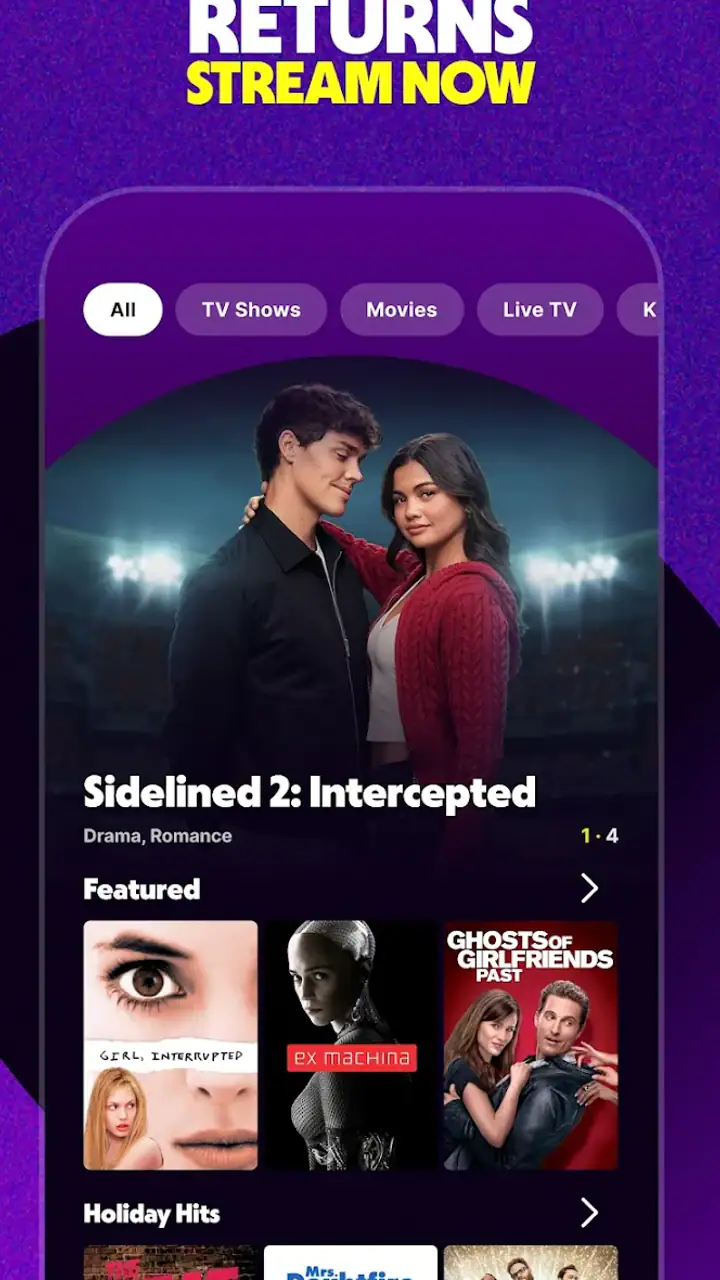
At home, the app fits naturally into a shared television routine. Someone can browse while another person finishes a task, and the lack of a subscription price makes it easier to try without negotiating a new household expense. On a phone, however, the experience feels more personal and more vulnerable to signal changes. I found it better for short breaks, waiting rooms, or a quiet evening than for a full day of travel where network access is uncertain.
One useful workflow is to decide the viewing context before choosing the program. If I am watching alone with headphones, I can tolerate more browsing and a few interruptions. If I am choosing for a group, I look for something that can start quickly and does not require everyone to agree on a niche preference. Tubi works well in that second situation because its free access lowers the stakes, but the advertising schedule can still affect whether a group stays engaged.
Parents should also pay attention to the content rating. The app is marked Teen, so I would not hand it to a younger child and assume that every available title is suitable. The large catalog-style environment encourages exploration, which is convenient for adults but means a family should make its own viewing decisions. For a teenager, it can be a useful source of variety; for younger viewers, I would want an adult involved in selecting what plays.
When playback fails and how I recover
When a stream stops, my first response is not to keep tapping the play button. I check whether other apps or websites are also struggling, then move closer to the router or switch to a more reliable connection when possible. If the problem affects only one program, I leave that title and try another. This is a surprisingly useful distinction: it tells me whether I am dealing with a general network problem or a momentary issue with the selected stream.
Restarting the app can help after a failed launch, but I treat it as a reset rather than a cure. If the connection is weak, reopening the same stream repeatedly usually wastes time. I have had better results by pausing my viewing plan, allowing the network to settle, and then trying again. On mobile data, I am especially careful because repeated retries can be more costly than simply waiting for Wi-Fi.
The app’s free model changes how I react to failure. With a paid service, I may feel that every interruption has broken a promise. With Tubi, I am more willing to choose another film or come back later because I have not paid specifically for that single viewing session. That flexibility is one of its quiet strengths. It also means the service is best suited to people who have alternatives and do not need one particular title to work immediately.
There are situations where I would skip it altogether. If I am planning a long trip through areas with uncertain coverage, I would not make this my only entertainment plan. If I need a precise live broadcast at a particular moment, I would prefer a service designed around that event and a connection I have already tested. If I dislike commercial interruptions enough to abandon a film midway, a subscription platform may be a better fit despite the extra cost.
Using it without wasting mobile data
The most important data-conscious decision is where I watch. I reserve longer sessions for Wi-Fi and use mobile connectivity for shorter, intentional viewing rather than leaving a stream running while I am distracted. A program that continues while I am not paying attention is a poor bargain, even when the app itself costs nothing.
I also avoid switching between several titles on mobile data. Browsing is part of the fun, but repeatedly opening previews and starting programs can turn a quick decision into a much larger session. When I am away from Wi-Fi, I decide what I want to try first and stop if the connection is unstable. This keeps the app useful without turning casual entertainment into an invisible data habit.
Another practical tip is to watch the signal, not just the battery. A phone may have plenty of charge while the network is constantly changing between weak coverage points. In that situation, the stream can become frustrating even though the device appears ready. I would rather wait until I am stationary with a stronger connection than blame the app for a problem caused by movement.
For households with several people online, timing matters. If someone is gaming, attending a video meeting, or moving large files, a stream may suffer even when the broadband plan normally handles video comfortably. I found that choosing a quieter period can improve the experience more than endlessly changing titles. This is especially relevant for live content, where waiting for the network to recover may mean missing the moment I wanted to see.
I would not describe Tubi as a minimalist app for people who want complete control over every aspect of streaming. Its strength is convenience and variety at no subscription price, not a perfectly predictable, interruption-free environment. The free model asks me to accept advertising, and the network-dependent design asks me to accept that viewing quality is tied to my connection. Those are not hidden details; they are the central trade-offs.
How it compares with the usual alternatives
Compared with a paid on-demand service, Tubi is easier to justify for occasional viewers. I can open it when I want something to watch without adding another recurring expense. A paid competitor will usually feel better for someone who follows a specific exclusive series, wants a more controlled catalog, or strongly dislikes advertising. I would choose Tubi when flexibility matters more than having one polished, uninterrupted destination.
Compared with live television through a traditional provider, the app is more convenient on a phone and less tied to a particular household setup. At the same time, it depends on the quality of the internet connection, so it is not automatically a replacement for every conventional viewing arrangement. The live section is appealing when I already have reliable connectivity; it is less convincing as a backup for places where the network is unpredictable.
Compared with free video platforms built mainly around short clips, Tubi is better for settling into a film or a longer show. That makes it more suitable for a planned viewing block, while short-form platforms remain better for quick, fragmented entertainment. I would not install Tubi expecting the same endless swipe pattern. Its value appears when I want a program with enough structure to carry a break or an evening.
The app has also reached a substantial audience. It has an average rating of 4.9 from around 2.4 million ratings, with over 100 million installs, which suggests that its free, broad-access approach works for many people. Those figures do not remove the need to test it on your own network, but they do show that this is an established entertainment option rather than a niche experiment. Tubi TV has been developing it since September 19, 2014, and that longevity is reassuring when I want a service I can return to.
Who will get the most from it
I recommend it most strongly to viewers who watch irregularly, want to avoid another subscription, and have dependable Wi-Fi for the times they do stream. It is also useful for households that need a low-commitment option for a spare television, a phone, or an evening when nobody has chosen a favorite service. The combination of films, shows, and live programming gives it enough range to support different moods without requiring a complicated setup.
It is a good match for someone who enjoys browsing. If you already know that you will watch one particular title and will be disappointed if it is unavailable or interrupted, the app may not be the safest choice. If you are happy to explore, switch programs, and accept advertising as the price of free access, its limitations become much easier to live with.
I would be more cautious recommending it to people with limited mobile data, unstable home internet, or a strong need for offline viewing. I would also explain the Teen content rating before suggesting it for family use. The app can be part of a family entertainment setup, but it should not replace an adult’s judgment about what a younger viewer watches.
There is no purchase decision to weigh here because the app is free, but there is still a time decision. Installing it makes sense if you are willing to spend a few minutes learning whether your usual network and viewing habits suit it. That small test is more valuable than assuming that a high rating or a large install base guarantees perfect playback everywhere.
My connectivity verdict
After using it as a casual streaming option, I see Tubi as a practical companion rather than a universal replacement for paid services or offline entertainment. Its best moments come when I have a solid connection, a flexible mood, and no desire to add another bill. Its weakest moments appear when I need guaranteed continuity, precise live timing, or viewing away from reliable internet.
I like that the free model makes experimentation easy. I can open the app for an unplanned break, find something suitable, and move on without feeling that I have wasted a subscription. I also appreciate that the service works for more than one viewing style: a film at home, a show during a quiet pause, or live programming when the network is strong enough to support it.
The honest recommendation is conditional but positive. Install it if you want free entertainment and can treat connectivity as part of the decision. Keep a second plan for travel, weak coverage, or moments when interruptions would genuinely matter. With that expectation, Tubi: Free Movies & Live TV is a strong choice for low-pressure streaming, especially for viewers who value access and variety more than a perfectly controlled, uninterrupted session.
FAQs for Tubi: Free Movies & Live TV
What is Tubi: Free Movies & Live TV?
Tubi is a free streaming service that offers a wide range of movies and TV shows without any subscription fees. Unlike other platforms, Tubi is completely ad-supported, which means you can enjoy countless hours of entertainment without paying a dime. It’s available on both Android and iOS devices.
Is Tubi completely free to use?
Yes, Tubi is entirely free. You won't encounter any hidden subscription fees or trial charges. Instead, Tubi is ad-supported, which means that you will see occasional advertisements during your viewing experience. This allows Tubi to offer its content without any cost to the user.
What kind of content is available on Tubi?
Tubi offers a diverse library of content that includes movies, TV series, documentaries, and even live TV channels. You'll find a mix of genres from action and comedy to horror and family films. The catalog is periodically updated, providing fresh content for all viewers.
Is an account required to watch content on Tubi?
While you can start watching content on Tubi without an account, creating one is recommended for a more personalized experience. With a free account, you can create a watchlist, resume playback across devices, and receive recommendations tailored to your viewing habits.
Can I watch Tubi content offline?
Currently, Tubi does not offer the option to download content for offline viewing. The app requires an internet connection to stream movies and shows. This means you'll need to be online to watch any content, whether you're using Wi-Fi or mobile data.
Pros
- Free to use with no subscription fees.
- Wide variety of genres and categories.
- Regularly updated content library.
- User-friendly interface and navigation.
- Available on multiple platforms.
Cons
- Contains ads that can interrupt viewing.
- Limited availability of latest releases.
- Requires internet connection to stream.
- Some content may have regional restrictions.
- No option to download for offline viewing.


